Featured
Table of Contents
- – Complete Dental Practice Management Guide For ...
- – The Overlooked Growth Lever: Dental Answering ...
- – 2025 Trends In Dental Practice Management You...
- – Manage Appointments, Billing, And Patient Flo...
- – Automate Your Front Desk: Scheduling + Answe...
- – 7 Ways To Use Practice Management Data To Im...
Running a dental practice today takes more than dentistry expertise. The most successful practices rely on modern digital tools that connect admin, finance, and communication. Let’s unpack the software, workflows, and marketing methods that keep clinics efficient — from practice management software to billing automation and patient communication.
In the past, most dental clinics relied on spreadsheets and paper files to handle records and reminders. This approach worked once, but today’s patient volume and compliance demands are higher. Regulatory requirements now demand digital precision. This is why practice management software makes or breaks clinic efficiency.
Complete Dental Practice Management Guide For Dentists & Clinic Owners
Dental practice management software are the backbone of any clinic. They integrate administration, imaging, billing, and analytics into a single unified dashboard. Rather than managing five different tools, you can handle scheduling, treatment, and billing all in one place. The outcome is happier patients and more consistent cash flow.
Why some practice systems outperform others comes down to integration and reporting. For example, when patient reminders link to scheduling analytics, data entry and mistakes drop by half. Analytic tools inside most modern PPMs show which treatments bring profit or loss. Access to this data turns daily chaos into clarity.
Selecting software that fits your clinic is a mix of features, budget, and usability. Dentrix is an industry standard with comprehensive features for reporting, imaging, and billing. Eaglesoft is known for its imaging and charting. Open-source platform Open Dental offers flexibility and affordability. Curve Dental is cloud-first and easy to scale. None are perfect. The best step is to trial two or three and test real-world workflows. User adoption will make or break the implementation.
Change management don’t get enough attention when new tools are introduced. Technology only works if workflows match user habits. It helps to appoint an internal champion who bridges the gap between admin and IT. Build weekly check-ins to spot resistance early. A month of structured training builds culture around technology use.
The Overlooked Growth Lever: Dental Answering Services + Smart Scheduling
Appointment management tools are now smarter dramatically. Smart booking engines now text reminders to patients with built-in patient communication. Most platforms offer waitlist management and resource allocation. Efficient scheduling reduce downtime. Many practices also add online booking widgets, letting patients choose slots directly. The result is less phone time for reception.
A hidden benefit of advanced scheduling tools is data tracking. You can measure peak hours, cancellation rates, and rebooking patterns. This data let you optimize clinic hours. If you discover certain hygienists have repeat reschedules, you can adjust marketing and scheduling policies accordingly.
Financial management inside dental practices are another critical layer. Handling claims by hand is slow and error-prone. Automated claim submission speed up reimbursements. Some systems instantly verify insurance, meaning better financial transparency. Digital billing portals improve collection rates. Monitoring KPIs like “days in A/R” keeps the business side visible.
2025 Trends In Dental Practice Management You Need To Know
High-volume practices also adopt revenue analytics tools. These link payments, expenses, and insurance data. With proper tagging, reports update daily. You’ll know which procedures are most profitable. Such data integration improves decision-making year-round.
The next step is turning efficiency into visibility. Organic word-of-mouth isn’t enough. Smart ad campaigns generate steady leads. Claim and enhance your Google listing, post regular updates, and create “service + suburb” landing pages. Patient-friendly content on common treatments or dental tips improve rankings and authority.
Automated follow-up workflows now play a huge role. Connected systems that sync with PPM data can send timely recall reminders, reviews, and reactivations. Messages can include birthday offers or seasonal promos. Such targeted outreach strengthens relationships and reduces churn.
Manage Appointments, Billing, And Patient Flow Like A Pro
Ad campaigns on Google and Meta amplify reach fast. Target by suburb for keywords like “dentist near me”. Re-engage those who visited but didn’t book. Promote seasonal specials to nudge action.
A major gap in many clinics is the dental answering service. No matter how advanced your PPM, you can still lose leads after hours. Dental answering services ensure every inquiry is captured. They sync with your software to schedule instantly. It makes a huge difference for emergencies and new patient calls after hours. Clinics using an answering service report higher booking rates. Internally linking your marketing content about 24-hour reception and phone handling builds topical authority.
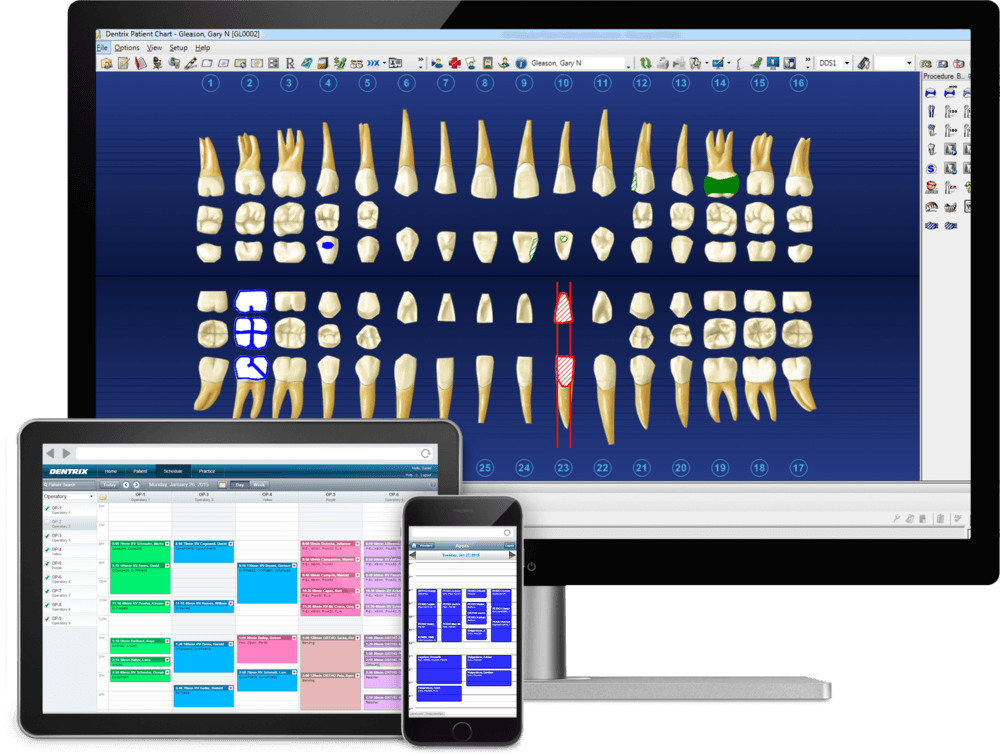
After integrating operations and marketing, growth accelerates naturally. Automation reduces admin drag, while ongoing marketing keeps new patients coming. Simply put, this means more efficiency, fewer errors, and higher margins.
Automate Your Front Desk: Scheduling + Answering = Growth
A proven sequence looks like this:Select your main PPM. Ensure integrations are configured.Turn on reminders and follow-ups. Appointment confirmations, recalls, and feedback requests cut cancellations.3. Simplify billing. Adopt e-invoicing and dashboards.Invest in local SEO and retargeting. Drive authority and conversions together.Review analytics. Reports on calls and lead sources keep you improving.Keep evolving your systems. Competition won’t slow down, so treat improvement as ongoing.
The modern dental practice thrives on integration, not improvisation. When software, staff, and strategy work together, you build a calm, profitable operation.
7 Ways To Use Practice Management Data To Improve Dental Marketing Roi

If you’d like to explore how dental answering services, automation, or practice management content can interlink for SEO, click here.

Table of Contents
- – Complete Dental Practice Management Guide For ...
- – The Overlooked Growth Lever: Dental Answering ...
- – 2025 Trends In Dental Practice Management You...
- – Manage Appointments, Billing, And Patient Flo...
- – Automate Your Front Desk: Scheduling + Answe...
- – 7 Ways To Use Practice Management Data To Im...
Latest Posts
How A Dental Answering Service Can Improve Your Practice Workflow
5 Dental Scheduling Tips That Will Cut No-shows In Half
Patient Scheduling Systems That Keep Your Dental Chairs Full
Latest Posts
How A Dental Answering Service Can Improve Your Practice Workflow
5 Dental Scheduling Tips That Will Cut No-shows In Half
Patient Scheduling Systems That Keep Your Dental Chairs Full